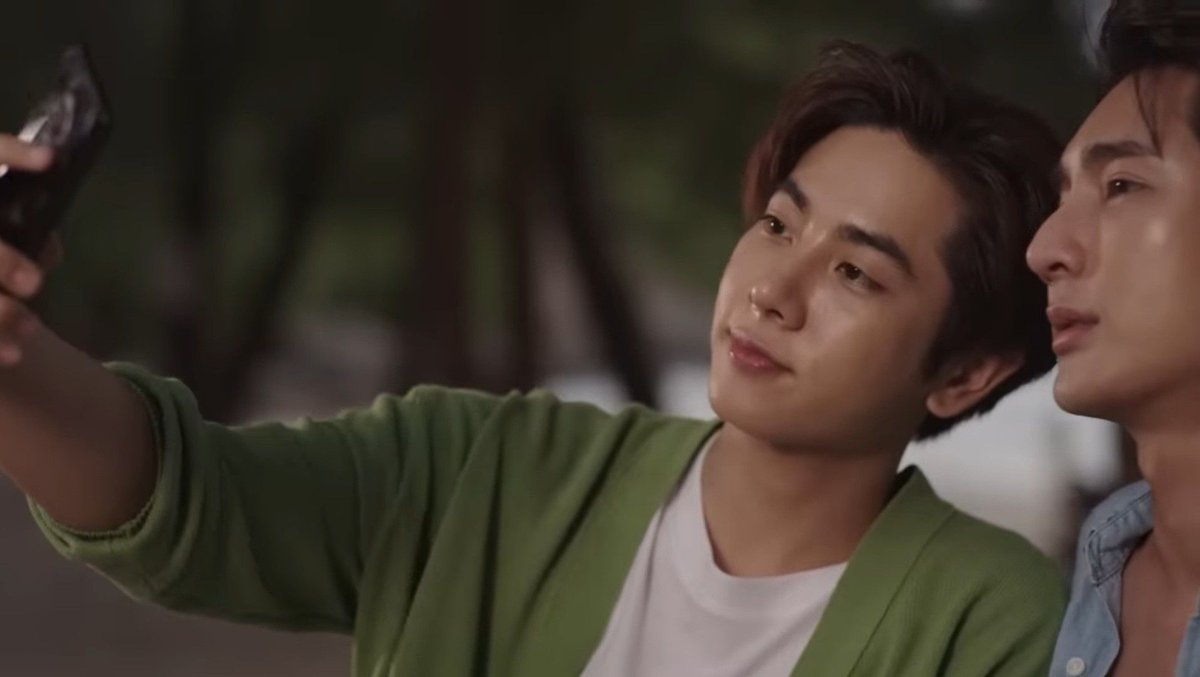
The aroma of savory chicken and the quiet hum of a late-night diner; these are the sensory experiences that transport viewers into the world of Moonlight Chicken. This beloved Thai BL series captivated audiences with its poignant storytelling and deeply human characters. But beyond the screen, where did the magic happen? Where exactly were the Moonlight Chicken Filming Locations & Production teams truly bringing this story to life?
For fans, understanding the real-world backdrops adds a rich layer to their appreciation of the series. It's about connecting the emotional arcs of the characters to tangible places, imagining the actors breathing life into scenes you might one day visit yourself. Join us as we pull back the curtain on the very streets, markets, and eateries that formed the authentic canvas for Moonlight Chicken.
At a Glance: Key Filming Insights
- Primary Setting: While diverse, the heart of Moonlight Chicken was predominantly set in Pattaya, offering a blend of city energy and coastal charm.
- The Iconic Eatery: The "Moonlight Chicken" restaurant, central to the narrative, was brought to life at the Ban Chak Ngaeo Antique Chinese Market.
- Chon Buri Connection: An additional food establishment, ร้านเจ๊จู Gold อาหารและเครื่องดื่ม, located in Chon Buri, played a role, potentially as an inspiration or a specific scene location.
- Coastal Gems: Picturesque scenes were captured at The Lighthouse of Cape Bali Hai and the Sea Meen Norwegian Church (Sjømannskirken i Pattaya), both in Pattaya.
- Vibrant Market Life: Authentic Thai market scenes utilized ตลาดมารวย-หทัยราษฎร์ 54 in Pathum Thani.
- Bangkok & Beyond: Other key residential and urban scenes were filmed at Baan Suan Ampond Residence Homestay in Lat Krabang and SARASINEE Mansion in Bangkok, showcasing the wider urban landscape.
- GMMTV's Touch: The production harnessed diverse locations to create a rich, believable world, a hallmark of their storytelling.
The Heart of the Story: Unpacking the "Moonlight Chicken" Restaurant
Every fan instantly pictures the cozy, late-night haven where Uncle Jim cooked his legendary chicken rice and where the characters found solace, confrontation, and connection. This pivotal setting, the very soul of the series, required a location that felt lived-in, authentic, and brimming with character. The production team masterfully achieved this by transforming a real-world gem: the Ban Chak Ngaeo Antique Chinese Market.
Ban Chak Ngaeo Antique Chinese Market: The Birthplace of a Culinary Legend
Nestled in Chon Buri, Ban Chak Ngaeo isn't just any market; it's a place steeped in history and tradition. Known for its antique vendors, a vibrant mix of old-world charm and local life, it provided the perfect foundation for Uncle Jim's humble yet iconic eatery.
Imagine the bustling market during the day, alive with vendors and shoppers, then envision it in the quiet hours of night, repurposed into the set for "Moonlight Chicken." The production team didn't just plop a sign on an existing shop; they meticulously crafted the interior and exterior to match the series' aesthetic. From the worn wooden tables to the specific lighting that cast a warm, inviting glow, every detail was considered.
- Why it Worked: The inherent character of an antique market, with its sense of history and community, lent itself perfectly to the narrative. It subtly reinforced the idea of a timeless establishment, a place where generations gather and stories unfold. This choice grounded the fictional restaurant in a palpable reality, making it feel less like a set and more like a beloved local spot.
- The Transformative Power of Set Design: What viewers saw on screen was a testament to the skill of the art department. They managed to retain the essence of the market while creating a distinct, memorable space for the restaurant. This transformation is a common practice in television production, where existing locations are utilized and adapted to fit the specific vision of the show.
ร้านเจ๊จู Gold อาหารและเครื่องดื่ม: A Culinary Connection
While Ban Chak Ngaeo was the primary setting for the main "Moonlight Chicken" restaurant, the mention of ร้านเจ๊จู Gold อาหารและเครื่องดื่ม in Chon Buri suggests another layer to the series' culinary landscape. It's common for productions to use multiple locations for a single setting or to feature various related establishments to add texture to the world.
- Potential Roles: ร้านเจ๊จู Gold could have served several purposes:
- Inspiration: Perhaps the production team drew inspiration from its menu, ambiance, or specific dishes to inform the "Moonlight Chicken" culinary style.
- Specific Scenes: Certain scenes, particularly those depicting characters dining elsewhere or showcasing other local eateries, might have been filmed here.
- Behind-the-Scenes: It could even have been a place where cast and crew dined, becoming a part of their production experience, if not directly a set.
Regardless of its exact on-screen role, its inclusion highlights the production's commitment to rooting the show in authentic Thai food culture, emphasizing that food isn't just sustenance but a language of love, comfort, and connection in Moonlight Chicken. For those keen to Learn more about Moonlight Chicken, understanding these real-world foundations offers a deeper appreciation of its narrative depth.
Pattaya: More Than Just a Backdrop – A Character Itself
While the "Moonlight Chicken" restaurant provided a cozy anchor, the broader world of the series expanded into the vibrant coastal city of Pattaya. Often known for its bustling nightlife and beautiful beaches, Pattaya offers a dynamic backdrop that perfectly complements the emotional spectrum of the characters.
The choice of Pattaya as a primary setting wasn't arbitrary. It allowed the series to showcase a diverse range of environments – from serene coastal views to lively urban streets – reflecting the complex lives and evolving relationships of the protagonists. This city, with its unique blend of tourist appeal and local life, becomes almost a character itself, influencing the mood and atmosphere of various scenes.
Iconic Landmarks: Cape Bali Hai Lighthouse and the Norwegian Church
Pattaya's distinct landmarks provided visually striking and emotionally resonant settings for key moments in Moonlight Chicken. The production team skillfully integrated these places, allowing their inherent beauty and symbolism to enhance the storytelling.
The Lighthouse of Cape Bali Hai, Pattaya
Lighthouses often symbolize guidance, hope, or even longing – a solitary sentinel against the vastness of the sea. The Lighthouse of Cape Bali Hai in Pattaya offers a dramatic cliffside setting, commanding panoramic views of the ocean and the city skyline.
- Scene Significance: Imagine scenes of introspection, quiet conversations between characters grappling with their futures, or moments of shared vulnerability against a breathtaking vista. The lighthouse likely served as a location for such pivotal, emotionally charged exchanges, where the expansive backdrop mirrored the characters' internal struggles or newfound freedoms. Its elevated position offers a sense of perspective, a place to look out at the world and contemplate one's place within it.
- Visual Impact: Beyond its narrative weight, the lighthouse is simply stunning visually. Whether bathed in the golden light of sunset or silhouetted against a night sky, it provides a cinematic quality that elevates the production value of the series.
Sea Meen Norwegian Church (Sjømannskirken i Pattaya), Pattaya
A church, regardless of denomination, often evokes themes of sanctuary, reflection, and quiet contemplation. The Sea Meen Norwegian Church (Sjømannskirken i Pattaya) offers a unique architectural and atmospheric presence within the city.
- Unexpected Serenity: The inclusion of a Norwegian Church in a Thai drama adds an intriguing layer. It speaks to the global nature of Pattaya, a city that attracts people from all walks of life. For the series, this location might have offered a sense of calm amidst chaos, a place for characters to find solace, process grief, or simply seek a moment of peace. It could have been used for scenes requiring a solemn, reflective tone, or perhaps even an unexpected encounter between characters that underscores the diversity of their experiences.
- Architectural Contrast: The distinctive Scandinavian architecture of the church would have stood in contrast to typical Thai structures, making it visually memorable and perhaps symbolizing an 'otherness' or a place where different worlds intersect, much like the varied backgrounds of the characters in Moonlight Chicken.
By utilizing these specific Pattaya landmarks, the series not only grounded itself in a tangible location but also leveraged the inherent symbolism and visual appeal of these spots to deepen its narrative impact.
Beyond the Bistro: The Bustling Markets and Urban Vistas
While the "Moonlight Chicken" restaurant and Pattaya's iconic spots are central, the series also expertly captured the wider tapestry of Thai daily life through its market scenes and other urban settings. These locations added depth and realism, showing the characters' lives extending beyond their immediate circles into the vibrant, everyday rhythm of Thailand.
Bringing Everyday Life to the Screen: ตลาดมารวย-หทัยราษฎร์ 54
Markets are the beating heart of Thai communities, alive with sights, sounds, and smells. They are places of commerce, gossip, and community connection. The production chose ตลาดมารวย-หทัยราษฎร์ 54 in Pathum Thani for its market scenes, and this choice was undoubtedly strategic.
- Authentic Atmosphere: ตลาดมารวย-หทัยราษฎร์ 54 is a bustling local market, not a curated tourist spot. This authenticity is crucial for creating a believable world. Filming here allowed the series to:
- Showcase Real Interactions: Characters navigating crowded stalls, haggling with vendors, or simply observing the flurry of activity would feel natural and unforced.
- Inject Local Flavor: The specific types of goods sold, the street food stalls, the unique energy of a genuine Thai market added rich cultural context to the series.
- Provide Dynamic Backgrounds: The constant movement and vibrant visuals of a market offer a dynamic backdrop for scenes, reflecting the pulse of ordinary life that continues around the characters' personal dramas.
- Narrative Opportunities: Market scenes are perfect for showcasing a character's daily routine, for chance encounters, or for developing subplots involving community members. They allow the audience to see the characters not just in their emotional bubbles, but as integral parts of a larger, living society.
Residential Realism: Baan Suan Ampond and SARASINEE Mansion
Beyond the public spaces, the series also needed to portray the characters' private lives and living situations. Locations like Baan Suan Ampond Residence Homestay in Lat Krabang and SARASINEE Mansion in Bangkok provided the necessary settings for homes, apartments, and other residential areas.
- Baan Suan Ampond Residence Homestay, Lat Krabang:
- Homely Feel: A homestay often implies a more intimate, perhaps humble or traditional, living arrangement. This could have been used to depict the homes of characters who might live in a more suburban or communal setting, emphasizing a sense of comfort and belonging, or perhaps even a struggle for privacy in shared spaces.
- Relatability: Using a homestay adds a layer of relatability for many Thai viewers, as these types of residences are common. It grounds the characters' personal spaces in an accessible reality.
- SARASINEE Mansion, Bangkok:
- Urban Living: A "mansion" or a larger residential complex in Bangkok would likely be used for characters with different economic backgrounds, or those living in a more modern, upscale urban environment. This could have been where more independent, city-dwelling characters resided, reflecting a different facet of Thai life compared to the homestay.
- Architectural Diversity: Bangkok offers a vast array of architectural styles, and a mansion could provide a more contemporary or luxurious aesthetic for certain scenes, contrasting with the older market or traditional homestay. It helps the production create a believable social stratification within its character base.
The strategic use of these diverse locations, spanning markets, homestays, and urban residences across Pathum Thani, Lat Krabang, and Bangkok, ensured that Moonlight Chicken presented a comprehensive and authentic portrayal of modern Thai life, making its characters and their stories all the more relatable and immersive.
The Art of Location Scouting: A Production Perspective
Behind every captivating scene and every believable backdrop lies the meticulous work of the production team, particularly the location scouts and managers. For a series like Moonlight Chicken, produced by a powerhouse like GMMTV, the choice of filming locations is a critical component of its storytelling success.
GMMTV's Vision and Execution
GMMTV is renowned for its high production values and its ability to create immersive worlds for its series. Their approach to location scouting is often characterized by:
- Authenticity: A strong desire to root their stories in real, tangible places that resonate with Thai culture and everyday life. This avoids generic sets and instead utilizes existing environments that bring inherent character.
- Visual Storytelling: Locations are chosen not just for practicality but for their aesthetic appeal and how they can enhance the mood or theme of a scene. The lighting at a particular time of day, the unique architecture, or the natural landscape are all considered.
- Narrative Integration: The best locations don't just sit in the background; they actively contribute to the narrative. The cramped warmth of a late-night eatery, the expansive freedom of a lighthouse, or the bustling energy of a market all tell a part of the story before a single line of dialogue is spoken.
- Logistical Acumen: Filming in real, active locations presents numerous challenges – permits, crowd control, noise management, and scheduling around local businesses. GMMTV's experienced production teams are skilled at navigating these complexities to ensure a smooth shoot.
The Director's Influence: Aof Noppharnach Chaiwimol
The director, Aof Noppharnach Chaiwimol, is known for his nuanced storytelling and ability to evoke deep emotion. His vision undoubtedly played a significant role in selecting and utilizing these locations. A director's eye for detail often transforms a simple location into a memorable cinematic space.
- Emotional Resonance: Aof likely sought locations that could amplify the emotional beats of the script. For instance, the intimacy of the "Moonlight Chicken" restaurant for quiet confessions, or the openness of a Pattaya landmark for moments of significant personal change.
- Character World-Building: The environments characters inhabit reveal much about them. The contrast between a humble homestay and a city mansion might reflect different characters' social standing or aspirations, a detail a director like Aof would meticulously craft.
The synergy between the location scouting team, the art department, and the director's creative vision allowed Moonlight Chicken to transcend a mere studio production. It became a living, breathing story set within the rich tapestry of Thailand, making every scene feel grounded and every character's journey more impactful.
Why These Locations Matter: Weaving Setting into Story
Locations in film and television are far more than mere backdrops; they are silent characters, shaping the narrative, influencing emotions, and imbuing stories with authenticity. For Moonlight Chicken, the carefully chosen filming locations were integral to its success, contributing on multiple levels:
Enhancing Authenticity and Relatability
By filming in genuine Thai markets, residential areas, and coastal cities, Moonlight Chicken achieves a level of authenticity that resonates deeply with its audience.
- Sense of Place: Viewers feel transported to Thailand, experiencing the texture of daily life beyond what might be achieved on a constructed set. The sounds of a real market, the specific architecture of a homestay, or the unique light of a Thai sunset all contribute to this immersive experience.
- Cultural Context: The settings naturally weave in cultural nuances, from the atmosphere of a traditional Chinese market to the specific vibe of a seaside town. This provides a rich context for the story, allowing non-Thai viewers a glimpse into the local way of life, and offering Thai viewers a mirror of their own experiences.
- Relatable Environments: When characters inhabit spaces that feel real – whether it's a busy diner, a modest home, or a public park – their struggles and triumphs become more relatable. It blurs the line between fiction and reality, making the emotional journey of the characters feel more immediate and profound.
Shaping Character and Narrative
The environments characters inhabit often reflect and influence who they are and the paths they take.
- Character Archetypes: Uncle Jim's "Moonlight Chicken" restaurant at Ban Chak Ngaeo isn't just a business; it's an extension of his character – a place of tradition, comfort, and quiet resilience. Pat and Wen's interactions gain a different flavor when set against the backdrop of a bustling market versus a secluded lighthouse.
- Emotional Tones: A dramatic confrontation against the backdrop of a sweeping ocean view carries a different weight than one confined within a cramped apartment. The production team skillfully used the inherent emotional tones of each location to underscore the narrative beats. The tranquility of the Norwegian Church might have offered a moment of peace, while the vibrant chaos of a market could highlight internal turmoil.
- Visual Metaphor: Locations can serve as powerful visual metaphors. The lighthouse, guiding ships through the night, could symbolize a character finding their way. The diverse range of cityscapes and residential areas can represent the different facets of modern life that characters navigate.
Adding Cinematic Richness and Production Value
Filming on location, while challenging, significantly elevates the cinematic quality of a series.
- Depth and Detail: Real locations offer an unparalleled level of detail and depth that is difficult to replicate on a soundstage. The imperfections, the unexpected elements, and the natural light all contribute to a richer visual tapestry.
- Memorable Imagery: Iconic locations like the Cape Bali Hai Lighthouse become instantly recognizable and contribute to the series' visual identity. They provide memorable imagery that stays with viewers long after the credits roll.
- Investment in the Story: The effort and resources invested in location filming signal a commitment to creating a high-quality, immersive experience for the audience. This dedication translates into a more believable and engaging story world.
Ultimately, the careful selection and masterful utilization of Moonlight Chicken's filming locations transformed the series from a simple story into a rich, layered experience. These places are not just coordinates on a map; they are the silent witnesses and active participants in the emotional odyssey of its beloved characters.
Embarking on Your Own "Moonlight Chicken" Journey
For many fans, learning about filming locations sparks a desire to visit them, to stand in the very spots where their favorite scenes unfolded. If you're inspired to trace the footsteps of Uncle Jim, Wen, Pat, and the rest of the gang, here's some practical guidance for planning your own Moonlight Chicken-themed adventure.
Planning Your Visit: Tips for Fans
- Prioritize Your Must-Sees: The "Moonlight Chicken" restaurant (Ban Chak Ngaeo Antique Chinese Market) is likely top of the list, followed by Pattaya's iconic spots. Be realistic about how many locations you can comfortably visit in your timeframe.
- Geographical Spread: Remember that locations are spread across Chon Buri, Pattaya, Pathum Thani, Lat Krabang, and Bangkok. Grouping locations by region will save travel time.
- Pattaya Cluster: Focus on Ban Chak Ngaeo (Chon Buri, close to Pattaya), Cape Bali Hai Lighthouse, and the Sea Meen Norwegian Church. These are relatively close to each other.
- Greater Bangkok Cluster: ตลาดมารวย-หทัยราษฎร์ 54 (Pathum Thani), Baan Suan Ampond (Lat Krabang), and SARASINEE Mansion (Bangkok) are best explored from a Bangkok base.
- Respect Local Etiquette:
- Ban Chak Ngaeo Antique Chinese Market: This is a functioning market. Be mindful of vendors and shoppers. If you visit, consider purchasing something to support the local economy. Avoid disrupting business or filming without permission.
- Churches & Private Residences: The Sea Meen Norwegian Church is a place of worship; be respectful of any services or private events. Baan Suan Ampond and SARASINEE Mansion are likely private properties or residential areas; respect residents' privacy and do not trespass. View from a distance if necessary.
- Check Opening Hours: Markets, churches, and other attractions have specific operating hours. Verify these before you go.
- Transportation:
- Pattaya/Chon Buri: Taxis, ride-sharing apps, or renting a scooter (if you're experienced) are good options.
- Bangkok/Pathum Thani/Lat Krabang: Bangkok has an excellent public transport system (BTS Skytrain, MRT Metro). For locations further out, taxis or ride-sharing are usually necessary.
- Immersion Beyond Filming: While visiting the locations is exciting, also immerse yourself in the local culture. Try Thai chicken rice from local eateries, explore the markets, and soak in the atmosphere that inspired the show.
What to Expect (and What Not To)
- Expect Change: Remember that filming locations are often adapted for the show. The "Moonlight Chicken" restaurant might not look exactly as it did on screen, especially if it was a temporary set within the market. Don't be disappointed if it's not a perfectly preserved replica.
- Expect Normal Life: These are real places where people live and work. They won't always have the dramatic lighting or perfectly composed shots seen in the series. Embrace the reality of the location.
- Local Experience: Focus on the joy of experiencing the authentic Thai environments that inspired and housed the production. It's about connecting with the show's spirit in the real world.
Visiting these Moonlight Chicken filming locations offers a unique pilgrimage for fans. It's an opportunity to deepen your connection to a beloved story, appreciate the artistry of its production, and experience the rich culture of Thailand firsthand.
Unanswered Questions & Production Ponderings
Even with detailed location insights, there are always elements of production that remain tantalizingly unrevealed. As a journalist digging into the depths of a series, certain questions naturally arise, especially when considering the creative choices behind the camera.
The "Why" Behind Specific Choices
While we know where scenes were filmed, the deeper why for some locations can be more elusive without direct input from the production team. For instance:
- ร้านเจ๊จู Gold's Exact Role: Was it a specific interior set for a single scene, a catering spot, or a primary inspiration for the food depicted? Understanding its precise contribution would add another layer to the culinary tapestry of the show.
- Residential Choices: How were Baan Suan Ampond and SARASINEE Mansion chosen over countless other options in Bangkok and Lat Krabang? Was it specific architectural features, ease of access, or availability that made them ideal for particular characters' homes?
- The Power of Contrast: Was the geographical spread of locations (Pattaya's coastal charm vs. Bangkok's urban sprawl vs. Pathum Thani's local market) a deliberate choice to visually represent the diverse socio-economic landscapes the characters navigated, or was it a logistical outcome of available resources?
These are the kinds of questions that highlight the strategic thinking involved in location scouting – a delicate balance between artistic vision, narrative requirements, and practical constraints.
The Challenges of On-Location Filming
Filming in real-world environments, particularly in bustling markets and public landmarks, is inherently challenging.
- Crowd Control and Permits: Managing crowds in places like ตลาดมารวย-หทัยราษฎร์ 54 would have required significant logistical planning, likely involving permits, local authorities, and careful scheduling to minimize disruption to vendors and shoppers.
- Noise and Environment: Capturing clean audio in a noisy market or by the sea presents technical hurdles. Production teams employ various techniques, from sound blankets to post-production magic, to ensure dialogue is clear.
- Weather Dependency: Outdoor locations are always at the mercy of the weather. Thailand's tropical climate means productions must be prepared for sudden rain showers or intense heat, which can impact schedules and filming conditions.
- Local Buy-In: Gaining the cooperation of local communities, businesses, and residents is paramount. A successful shoot often relies on positive relationships and clear communication with those whose daily lives are temporarily affected by the film crew.
The very fact that Moonlight Chicken managed to weave such a seamless and authentic narrative across these diverse and often challenging locations is a testament to the professionalism and dedication of the entire GMMTV production team. It underscores that making magic on screen is a highly collaborative and intricate dance between creative vision and logistical prowess.
Your Next Stop in the Moonlight Chicken Universe
The journey through the Moonlight Chicken Filming Locations & Production details reveals more than just a list of addresses. It uncovers the profound artistry and meticulous planning that goes into crafting a beloved series. From the heart of Uncle Jim's chicken rice restaurant nestled within the historic Ban Chak Ngaeo Antique Chinese Market to the sweeping views from Cape Bali Hai Lighthouse, each location was a carefully chosen brushstroke on the canvas of this compelling story.
These settings didn't just provide a visual backdrop; they infused the narrative with authenticity, grounded the characters in a believable world, and amplified the emotional resonance of every scene. The vibrant markets spoke of everyday life, the urban residences hinted at diverse realities, and the coastal landmarks offered moments of quiet introspection against the vastness of the sea.
As you reflect on these insights, consider revisiting Moonlight Chicken with a fresh perspective. Watch for the subtle cues each location provides, the way the environment reflects a character's mood, or how the bustling energy of a market foreshadows a pivotal encounter. Understanding the "where" truly enhances the "what" and "why" of this poignant tale.
Whether you're planning a trip to Thailand to experience these locations firsthand, or simply appreciating the series from your living room, the knowledge of these production details enriches your connection to the Moonlight Chicken universe. It's a reminder that even in fictional worlds, the tangible touch of reality often makes the biggest impact.